
 A. Rahman
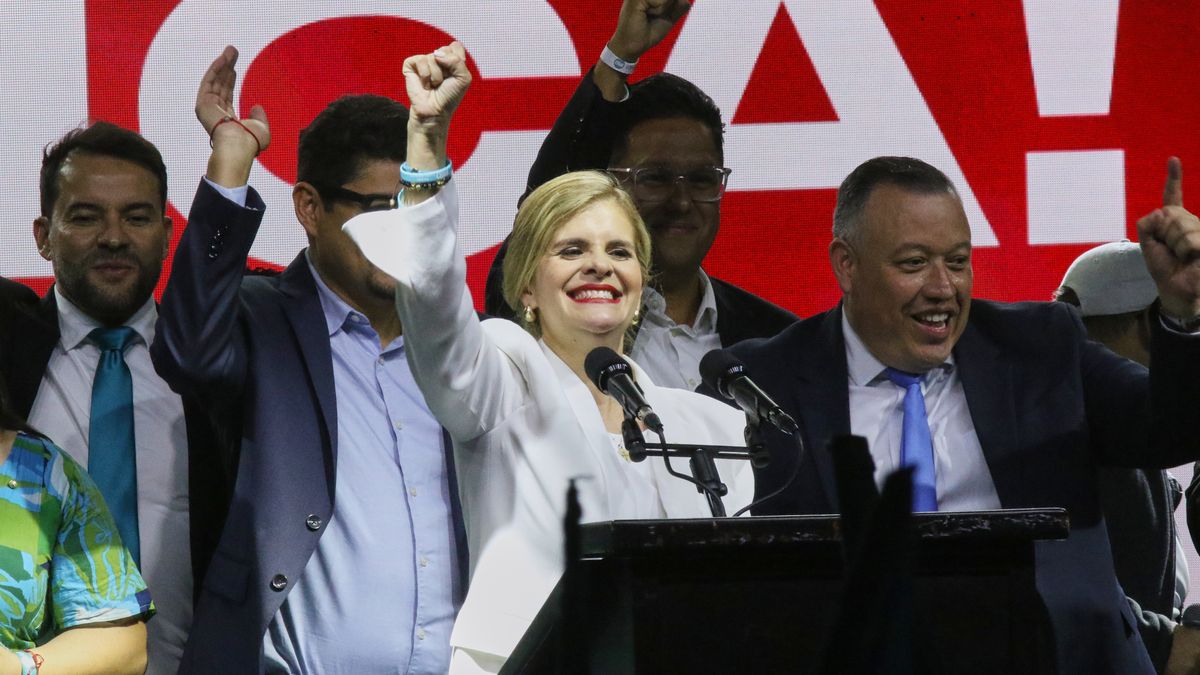
Laura Fernández from the Sovereign People party swept to victory in Costa Rica’s presidential race, pulling in 48.3 percent of the votes based on counts from 94 percent of polling places. That strong showing topped the 40 percent mark required to skip a second round, leaving her main competitor, center-right economist Álvaro Ramos, trailing with 33.4 percent. The vote took place on Sunday, sparking joyous scenes among her backers who waved national flags and shouted praises for Rodrigo Chaves, the current president and her key supporter.
At 39 years old, Fernández expressed gratitude to Chaves for boosting her self-assurance to step into the role of president-elect. She pledged to champion economic expansion, individual liberties, and overall advancement for the country. Costa Rica, home to about 5.2 million people and long admired for its steady governance and democratic values, has grappled with a sharp spike in homicides, up 50 percent over the last six years to 17 per 100,000 residents. This surge stems from drug gangs out of Mexico and Colombia transforming the nation from a mere passage route into a central base for cocaine operations.
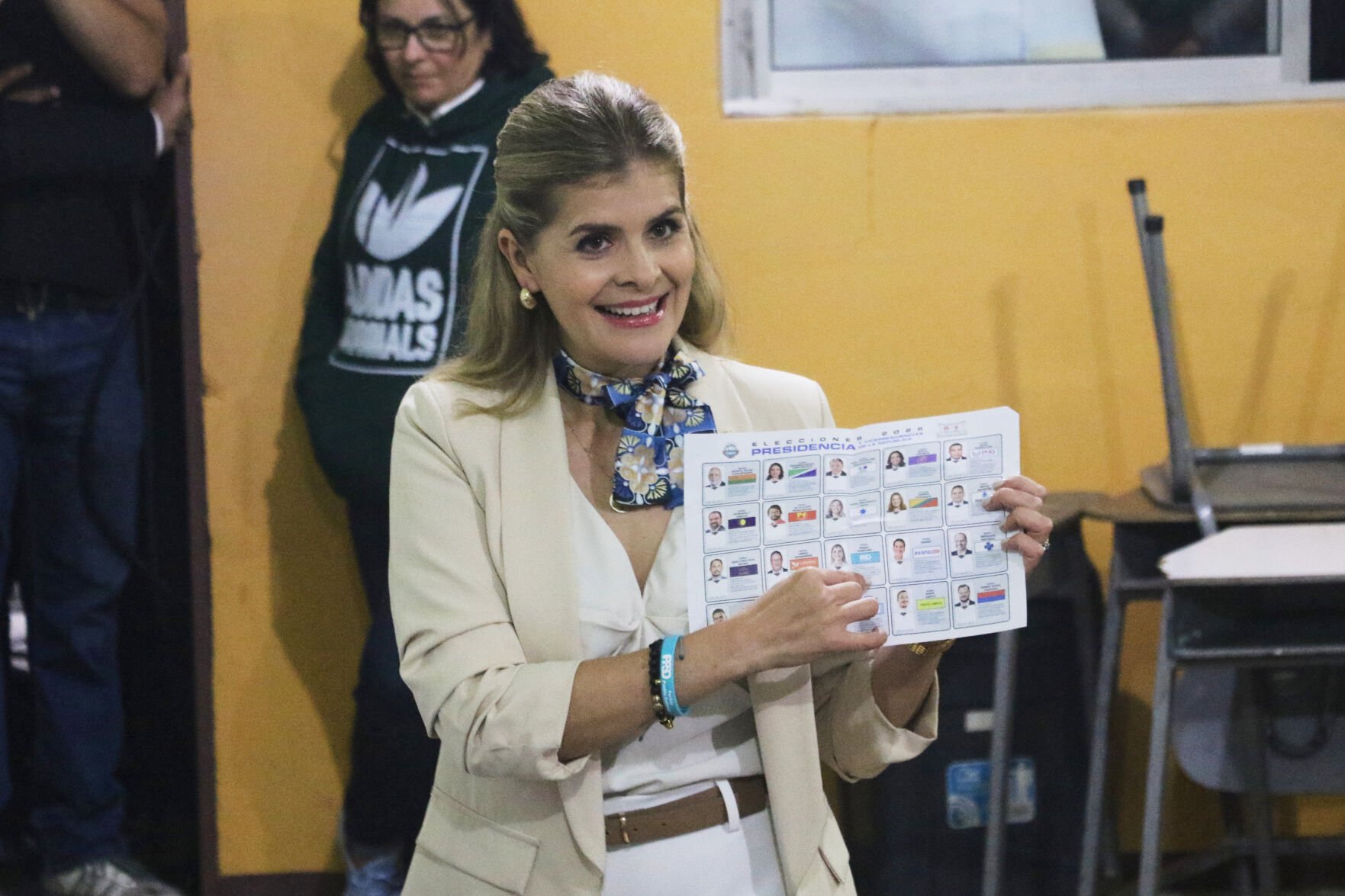
Fernández climbed quickly from relative obscurity, holding positions as planning minister and then chief of staff in Chaves’s administration. She draws motivation from El Salvador’s leader Nayib Bukele, known for detaining alleged gang affiliates without formal charges, and he was quick to offer his congratulations as the first international figure to do so. Her agenda includes constructing a high-security facility patterned after Bukele’s center for containing terrorism suspects, extending jail terms, and declaring emergencies in zones plagued by violence.
This outcome underscores a broader conservative surge in the region, with similar gains in places like Chile, Bolivia, Argentina, and Honduras, fueled by public frustration over graft and insecurity. Chaves, who pointed fingers at the courts for the crime uptick, assured Fernández that her tenure would steer clear of authoritarian rule or leftist ideologies. One enthusiast, 27-year-old Jessica Salgado, sees her as extending the current approach, focusing on dismantling criminal networks even as violence persists.
On the flip side, detractors such as former leader Óscar Arias, a recipient of the Nobel Peace Prize, caution that she might push for legal reforms to let Chaves reclaim power post-term, potentially eroding democratic foundations. Despite these concerns, Fernández has affirmed her dedication to preserving Costa Rica’s longstanding commitment to democracy.
Quick Summary
Laura Fernández clinched the Costa Rican presidency with a commanding 48.3% vote share, avoiding a runoff and outpacing Álvaro Ramos. Backed by outgoing President Rodrigo Chaves, the 39-year-old promises tough anti-crime measures inspired by El Salvador’s Bukele, amid rising drug-related violence. Her win highlights Latin America’s conservative trend, though critics fear democratic risks.
