


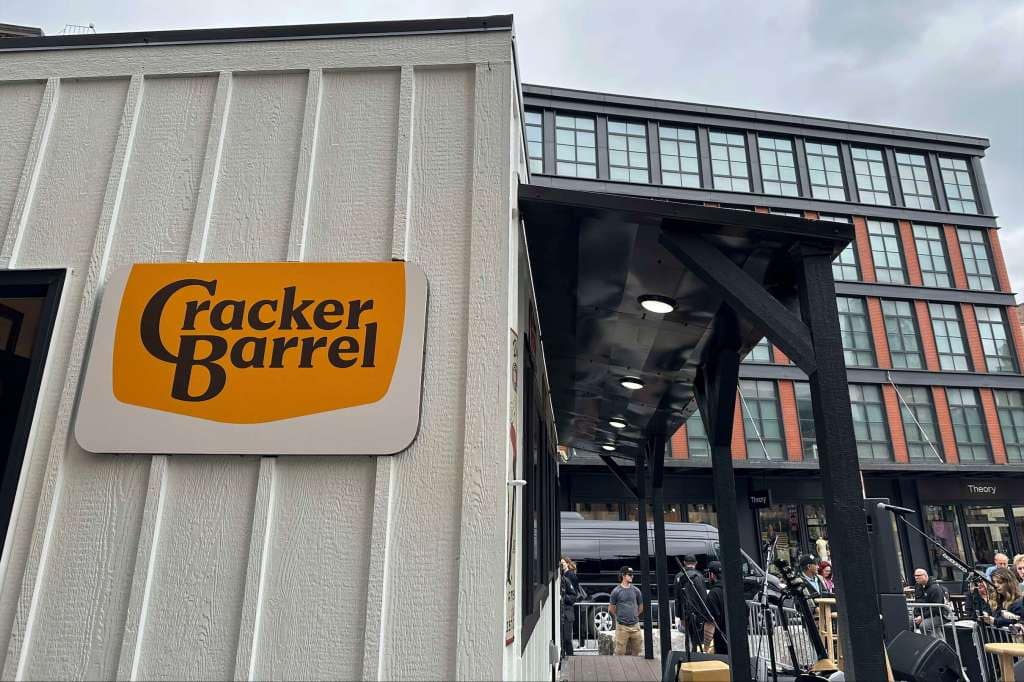
Cracker Barrel has stepped in to set the record straight after reports suggested a controversial new rule forcing traveling employees to eat exclusively at its restaurants. In a statement to media outlets, the company explained that encouraging staff to dine at Cracker Barrel locations during business trips when it’s convenient given location and timing is an longstanding preference, not a hard-and-fast requirement or the only option available.
The clarification follows a late January Wall Street Journal piece that highlighted the guideline as part of broader cost controls at the chain. A spokesperson emphasized: “The policy for employees to dine at Cracker Barrel while traveling for business, whenever practical based on location and schedule, is not new. Also, it is not the only place that our employees may eat when on the road, as previously reported.”
On top of that, Cracker Barrel recently tweaked its travel expense rules to place tighter restrictions on reimbursing alcoholic drinks, though details on the exact changes weren’t spelled out.
These adjustments come during a tough stretch for the beloved Southern-style eatery, which saw revenue drop 5.7 percent in the quarter ending October 31, 2025. Restaurant sales at comparable stores fell 4.7 percent, while retail dipped 8.5 percent, partly tied to backlash from a short-lived 2025 logo refresh that sparked online uproar and led to a quick reversal.
During a December 2025 earnings call, CEO Julie Felss Masino described the period as “difficult” and admitted the need for more efforts to win back customers who haven’t returned as quickly. “While many of our guests are enjoying our improved food and guest experience, we certainly have more work to do to regain the trust and confidence of others who have been slower to return,” she said.
The policy news doesn’t directly change anything for diners, focusing instead on internal travel perks for staff.
Quick Summary:
Cracker Barrel clarified that its employee preference for dining at chain locations during travel is not new, mandatory, or exclusive, while announcing stricter limits on alcohol reimbursements. The moves follow reports amid a revenue decline linked to past rebranding controversy, with the CEO stressing ongoing efforts to rebuild guest trust.