
 A. Rahman
Israel has ramped up pressure on foreign aid organizations active in Gaza and other Palestinian areas since launching its military campaign in October 2023, which has claimed the lives of more than 550 humanitarian personnel, among them 15 from Doctors Without Borders, or MSF. Early in January 2026, authorities revoked permits for 37 such groups that didn’t meet fresh registration rules set by the Ministry for Diaspora Affairs and Combating Antisemitism. These rules demand extensive personal data on staff, like passport copies, resumes, family names including kids, funding origins, and activity breakdowns, all under the guise of ensuring safety and openness.
Critics from the impacted organizations see this as a ploy to hinder relief efforts and dismantle support networks for Palestinians. Without solid proof, Israel has labeled some workers as sympathetic to Hamas, and specifically pointed fingers at MSF for hiring militants, a charge the organization firmly denies. Just days ago, the ministry instructed MSF to halt all work in Gaza by the end of February 2026. MSF runs two dozen clinics and supplies one-fifth of the hospital beds there; it first signed up for the process but backed out when guarantees on employee protection, information security, and freedom to operate weren’t forthcoming. Last year alone, the group handled 800,000 patient visits and helped with a third of all births in the region, roles no one else can easily fill.
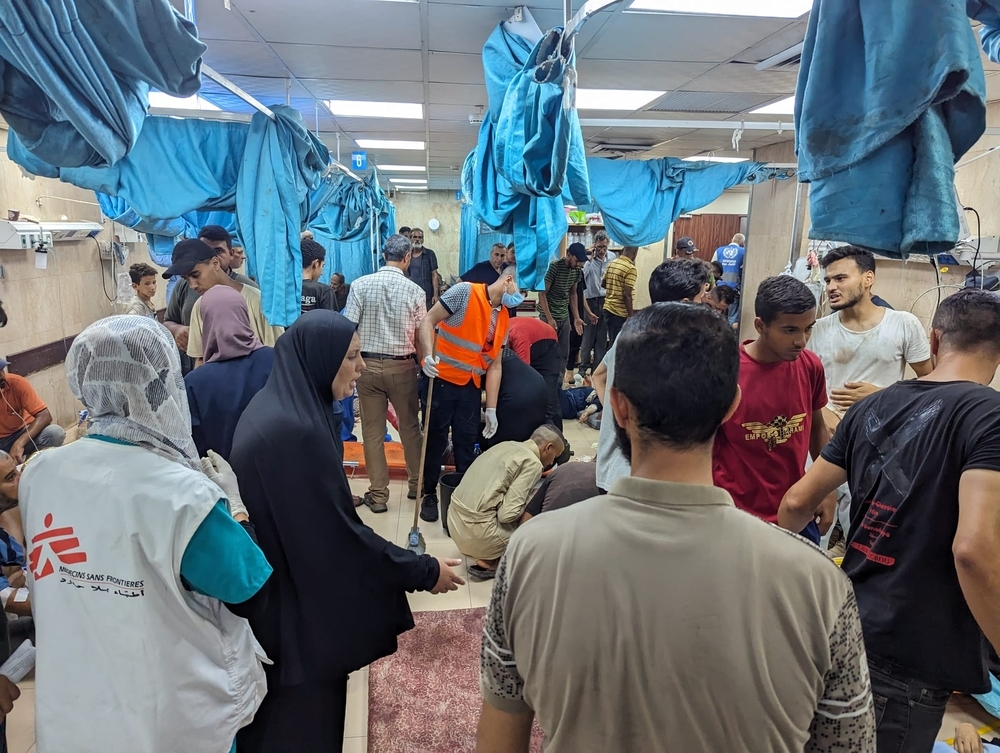
In solidarity, eight more groups including Action Aid, Alianza por la Solidaridad, Medecins du Monde, Medicos Del Mundo, Premiere Urgence Internationale, American Friends Service Committee, Medico International, and Medical Aid For Palestinians have aligned with Oxfam and MSF to ignore the mandate and withhold staff info. A representative from Premiere Urgence Internationale called it “an absolute red line,” warning that handing over lists could put lives at risk. Medecins du Monde stressed that access for aid isn’t something to bargain over or politicize, and Israel must allow relief under global humanitarian rules without strings attached. Action Aid viewed the demands as an attempt to enforce political agendas, breaching responsibilities to protect data, follow labor standards, and stick to aid principles. Medical Aid for Palestinians labeled it a targeted political assault to mute, dominate, and suppress aid outfits, reminding that law requires Israel to enable free-flowing assistance. Medico International saw the push as a way to subordinate groups to Israeli policies or, if they resist, to outlaw and vilify them, extending long-running defamation efforts against rights advocates.
When Al Jazeera reached out to the 37 groups, 10 stood firm in their refusal, four stayed silent on the matter, and others didn’t reply. The International Rescue Committee mentioned ongoing talks with officials to keep supplies moving.
This unfolds against Israel’s broader assault on Gaza’s medical infrastructure, seen as part of a larger destructive strategy, according to British-Palestinian doctor Ghassan Abu Sittah, who said the effort to dismantle health services persists even in supposed peace times. He noted how aid groups now lean heavily on local Palestinian teams, with most care delivered by native physicians.
Worldwide worries center on what might replace ousted organizations. Israel mentioned exploring other health options after the MSF cutoff, raising alarms among specialists. Emergency doctor James Smith feared a replay of the 2025 Gaza Humanitarian Foundation setup, backed by the US and Israel, where gunfire at distribution points killed over 850 Palestinians in half a year. He called these fronts for aid under tight control, tools for inflicting harm instead of help, and charged Israel with genocidal tactics via blocking essentials like water, food, housing, and treatment.
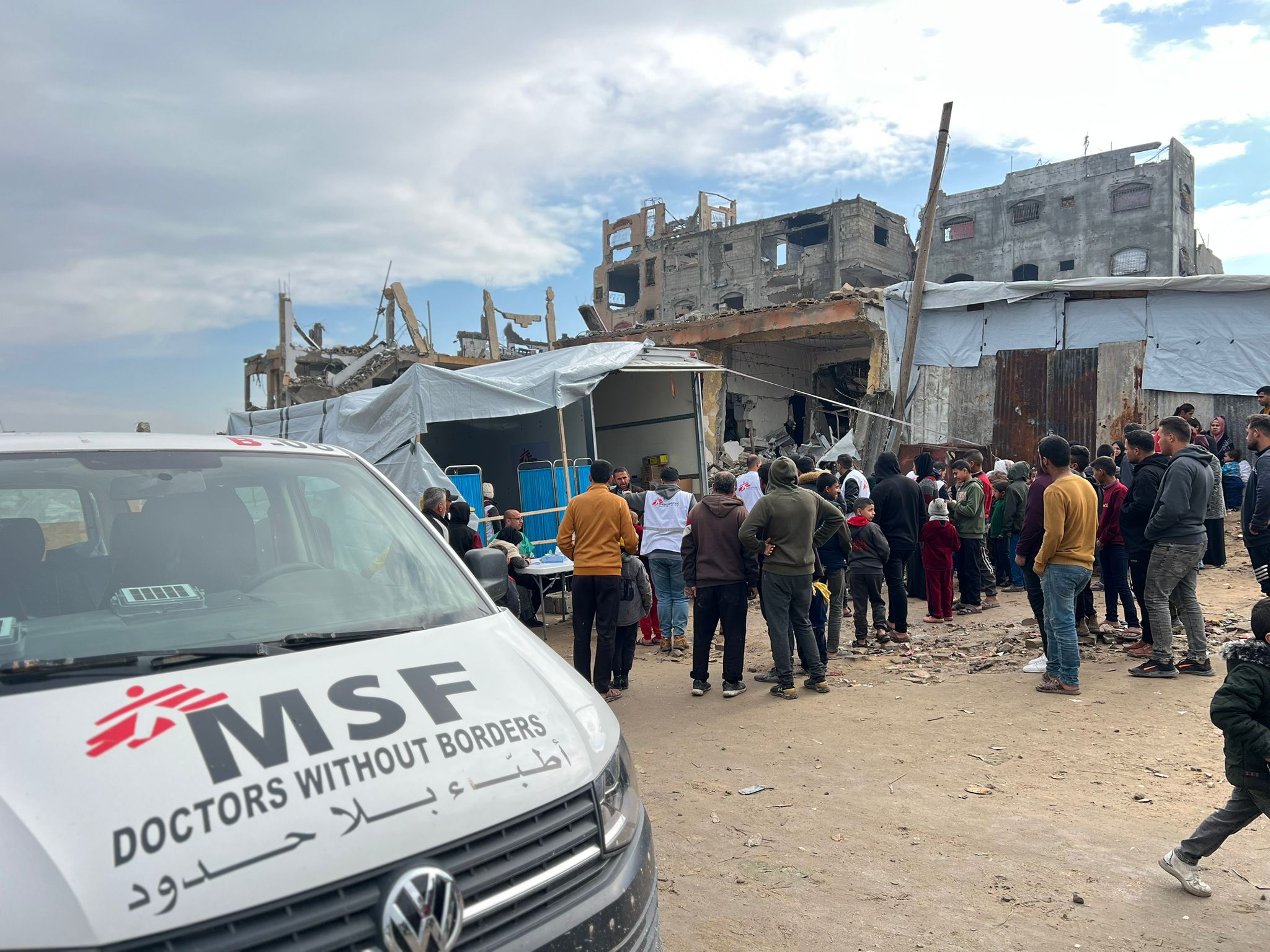
The fallout hits hard, with groups highlighting barriers to critical interventions in a shattered landscape. Looking forward, this could spike dangers for relief work, weaken standalone aid initiatives, and heighten attacks on Palestinians, as organizations commit to standing their ground for safety and ethics.
Quick Summary
Israel’s recent ban on MSF and revocation of licenses for 37 NGOs in Gaza over new data demands has sparked defiance from at least 10 groups, including Action Aid and Medecins du Monde, who call it a “red line” threatening staff and aid principles. Amid ongoing conflict fallout, experts warn of deepened crises and potential for controlled, harmful alternatives, urging adherence to international law for unimpeded humanitarian access.
