
 A. Rahman
In a pivotal moment for international diplomacy, U.S. Secretary of State Marco Rubio is pressing Group of 7 (G7) allies during a high-level meeting in France to help secure and reopen the Strait of Hormuz. This critical waterway has been disrupted by the ongoing war in Iran, sending global oil prices skyrocketing and threatening energy supplies worldwide.
The G7 foreign ministers’ gathering, hosted by France in the historic town of Vaux-de-Cernay near Paris, puts the Iran conflict front and center. Rubio, representing the Trump administration, is expected to call on European and Asian partners to step up naval support and restore safe maritime trade routes. With roughly one-fifth of the world’s oil shipments passing through the strait daily, the blockage is hitting economies hard—especially in Asia, which relies heavily on Gulf oil.

In France, Rubio will try to sell Iran war to skeptical G7 allies – The Korea Times
U.S. Secretary of State Marco Rubio arriving in France ahead of the G7 foreign ministers’ meeting on March 27, 2026. This image captures the high-stakes diplomatic arrival amid the Iran war tensions.
This rewritten and expanded analysis breaks down the key issues in simple, easy-to-understand terms. We’ll cover the background, Rubio’s strong stance, why allies are hesitant, the global economic fallout, and what this means for peace efforts. Whether you’re following U.S. foreign policy, the Iran war 2026, or rising fuel costs, this guide explains everything.
What Is the Strait of Hormuz and Why Is It a Global Flashpoint?
The Strait of Hormuz is a narrow waterway located between Iran and Oman, connecting the Persian Gulf to the Gulf of Oman and the Arabian Sea. It’s one of the most important oil chokepoints on the planet. Every day, millions of barrels of crude oil and natural gas flow through it from major producers like Saudi Arabia, Iraq, the UAE, Kuwait, and Qatar.
- Key Fact: About 20-21% of global oil consumption travels this route.
- Why it matters: Disruptions cause immediate spikes in energy prices, inflation, and supply chain chaos. Asian countries buy most of the Gulf oil, so they feel the pain first.
Iran’s military actions in the current war have effectively blocked safe passage, forcing tankers to reroute or stay away. This has driven up energy costs everywhere, from U.S. gas stations to European factories.
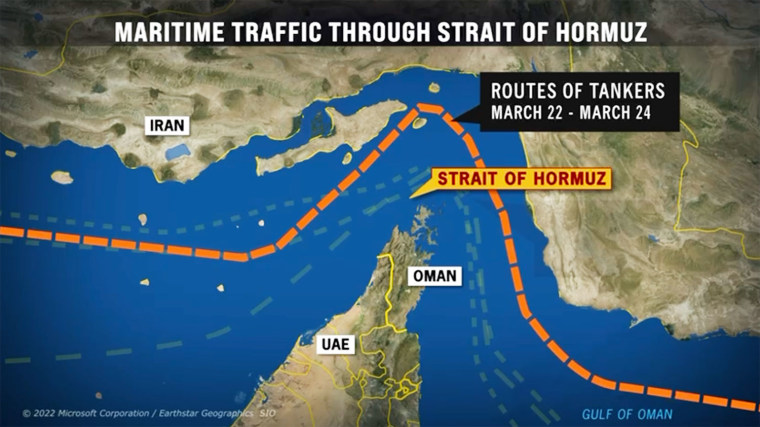
Iran’s ‘Tehran toll booth’ forces some tankers to pay millions to leave Strait of Hormuz
Map illustrating maritime traffic routes through the Strait of Hormuz, highlighting the narrow shipping lanes vulnerable to disruption during the Iran conflict.
Experts call it a “strategic choke point.” If unresolved, the crisis could worsen global inflation and slow economic recovery post-pandemic.
Inside the G7 Meeting in France: Agenda and Key Players
France is hosting the G7 foreign ministers’ meeting at Vaux-de-Cernay Abbey, a scenic spot outside Paris. The official agenda includes:
- Stopping the war in the Middle East and finding a path to peace.
- Curbing Iran’s nuclear weapons program and ballistic missile development.
- Reopening blocked maritime trade routes, especially the Strait of Hormuz.
The G7 (Group of Seven) includes the United States, Canada, France, Germany, Italy, Japan, and the United Kingdom. These are some of the world’s largest advanced economies. While the U.S. has taken a lead role in the Iran situation, many allies have resisted President Trump’s earlier calls to send warships to the area.
G7 foreign ministers meet at the Vaux-de-Cernay Abbey near Paris | Reuters Connect
G7 foreign ministers convene at the Vaux-de-Cernay meeting in France, discussing the Iran war, nuclear issues, and the Strait of Hormuz crisis.
Secretary Rubio arrived in France ready to make his case. The U.S. position is clear: This isn’t just America’s problem—it’s a shared global challenge.
Marco Rubio’s Direct Message: “The World Should Step Up”
Before leaving for the meeting, Rubio was blunt about the situation. He noted that the United States gets very little of its energy from the Strait of Hormuz. “It’s the world that has a great interest in that, so they should step up and deal with it,” he said.
Rubio is urging allies to contribute naval forces to protect shipping lanes. Many G7 nations—especially in Europe—have so far declined to get involved militarily. Japan is one exception with more direct interests in the region.
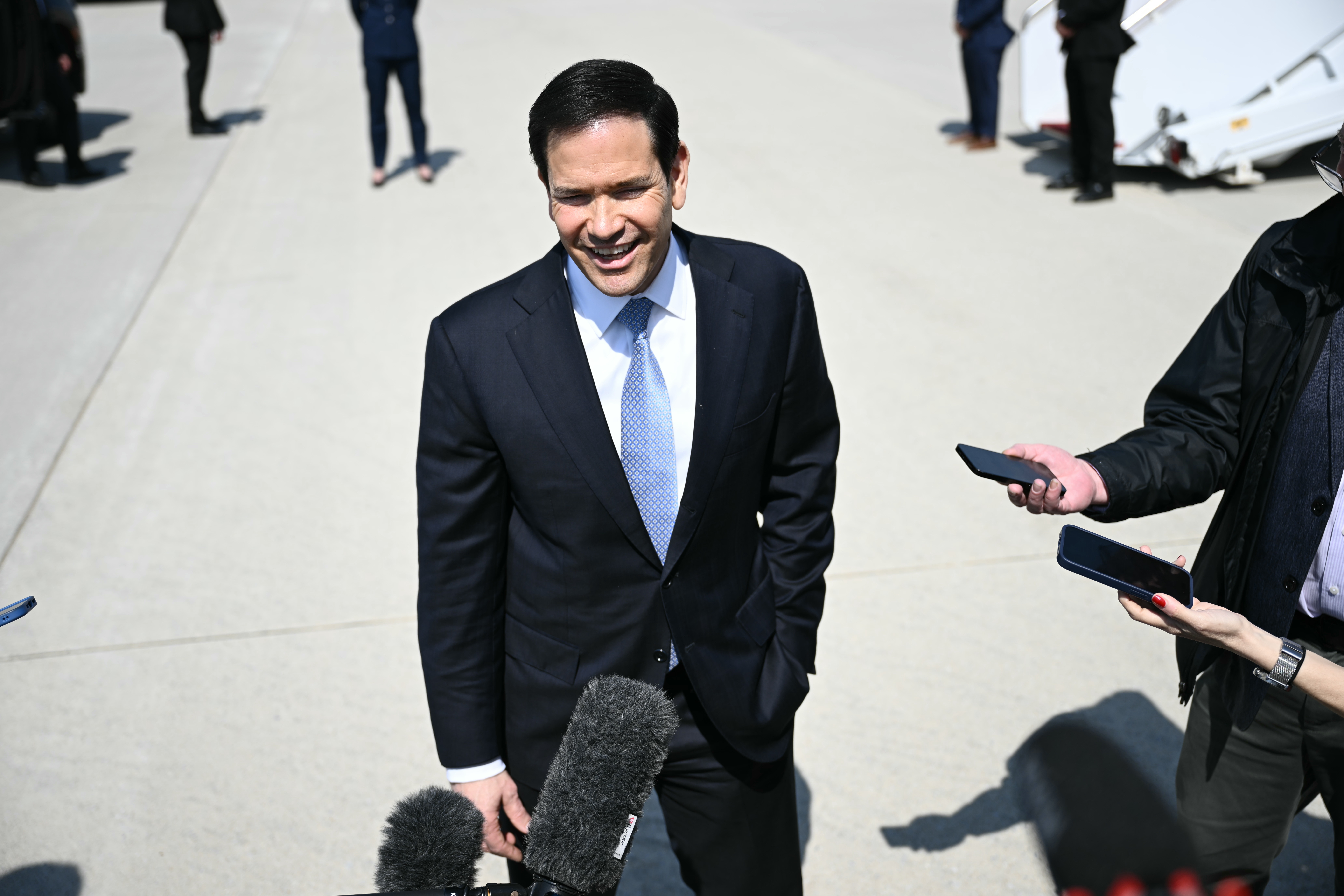
Rubio will try to sell Iran war to skeptical G7 diplomats after Trump …
Secretary of State Marco Rubio speaking to reporters before departing for the G7 summit in France, emphasizing the need for international action on the Strait of Hormuz.
This push comes as the Trump administration criticizes NATO (which several G7 countries belong to) for not supporting U.S. efforts in the Middle East more actively.
Why Are European and Asian Allies Reluctant?
Tensions are high. European leaders have called the Iran war “not Europe’s war.” They point out that the conflict escalated under U.S. and Israeli leadership without full consultation from allies. Many argue NATO is designed for defense in Europe or the North Atlantic—not Middle East interventions.
Rubio pushed back with a powerful comparison: The U.S. has poured massive resources into supporting Ukraine against Russia, even though it’s not on American soil. “Ukraine is not America’s war, and yet we’ve contributed more to that fight than any other country in the world,” he stated.
Asian allies, like Japan, are also affected by higher energy costs but are cautious about military involvement.
Global Energy Crisis and Links to Ukraine and Russia
The Iran war’s ripple effects go far beyond the Middle East. Skyrocketing oil prices are boosting revenue for Russia, which uses it to fund its ongoing war in Ukraine. EU top diplomat Kaja Kallas arrived at the meeting stressing this point: Higher energy costs give Russia more money for its military efforts, harming Ukrainian civilians.
The G7 is also expected to discuss pressuring Russia’s “shadow fleet” of ships that evade sanctions by transporting oil illegally. Interestingly, the U.S. recently paused some sanctions on Russian oil to help ease the worldwide energy crunch.
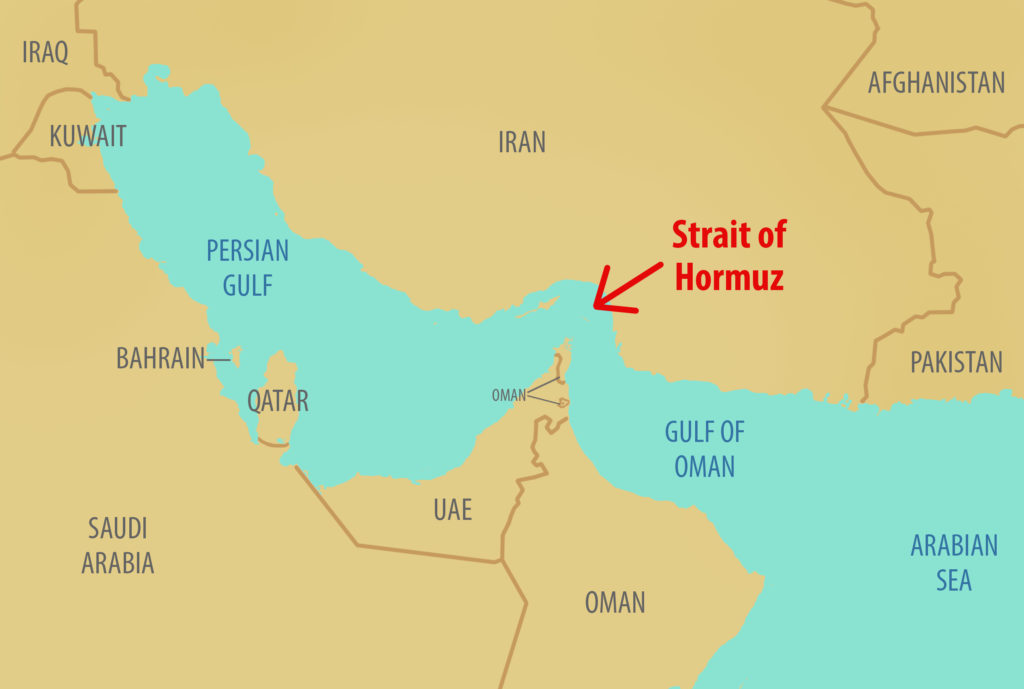
What is the Strait of Hormuz and why is it so important for oil? | BOE Report
Political map of the Persian Gulf region showing the strategic location of the Strait of Hormuz and surrounding oil-producing nations.
This interconnected crisis affects everyday people: higher gas prices, increased inflation, and potential supply shortages.
What Could Happen Next? Paths to De-Escalation and Peace
As diplomats wrap up discussions, the world is watching for breakthroughs. Possible outcomes include:
- Coordinated naval patrols to reopen the strait safely.
- Renewed talks to end Iran’s nuclear and missile programs.
- Stronger unified pressure on all sides for a ceasefire.
The meeting highlights how one regional conflict can destabilize global trade and security. For the U.S., success would mean shared responsibility among allies. For Europe and Asia, it could mean protecting their energy needs without direct combat roles.
Why This Matters for You: Economic and Security Impacts
- For families: Expect continued pressure on fuel and grocery prices.
- For businesses: Supply chain delays and higher shipping costs.
- For global stability: Resolving the Strait of Hormuz issue could prevent wider escalation.
This G7 gathering in France is more than a meeting—it’s a test of international cooperation in 2026. Stay informed as updates emerge from the Iran war and diplomatic efforts.
