
 A. Rahman
A massive trove of more than three million documents tied to Jeffrey Epstein hit the public domain last Friday courtesy of the Justice Department, shedding light on claims that the disgraced financier might have passed young girls to other men for abuse, directly countering past assertions from authorities that no solid grounds existed to pursue others involved. These papers, which encompass FBI reports and prosecutorial notes, hint at broader complicity in Epstein’s crimes alongside his partner Ghislaine Maxwell.
One standout account from a victim details how Maxwell directed her to give a massage to one of Epstein’s acquaintances during his absence, leading to the man propositioning her for sex in exchange for cash, which she went along with and received payment for. A 2021 memo from New York prosecutors identified this individual as Harvey Weinstein through a photo lineup by the woman. An FBI slideshow from after July 2025 recounted Epstein instructing her to massage Weinstein, who then allegedly demanded she strip her top off; when she refused, he reportedly threatened to dispatch women to coerce her. Weinstein, currently imprisoned following convictions for sexual assault, has pushed back against these accusations via his spokesperson, emphasizing that the memo merely logs unproven claims and that no charges or inquiries ever materialized against him in connection to Epstein.
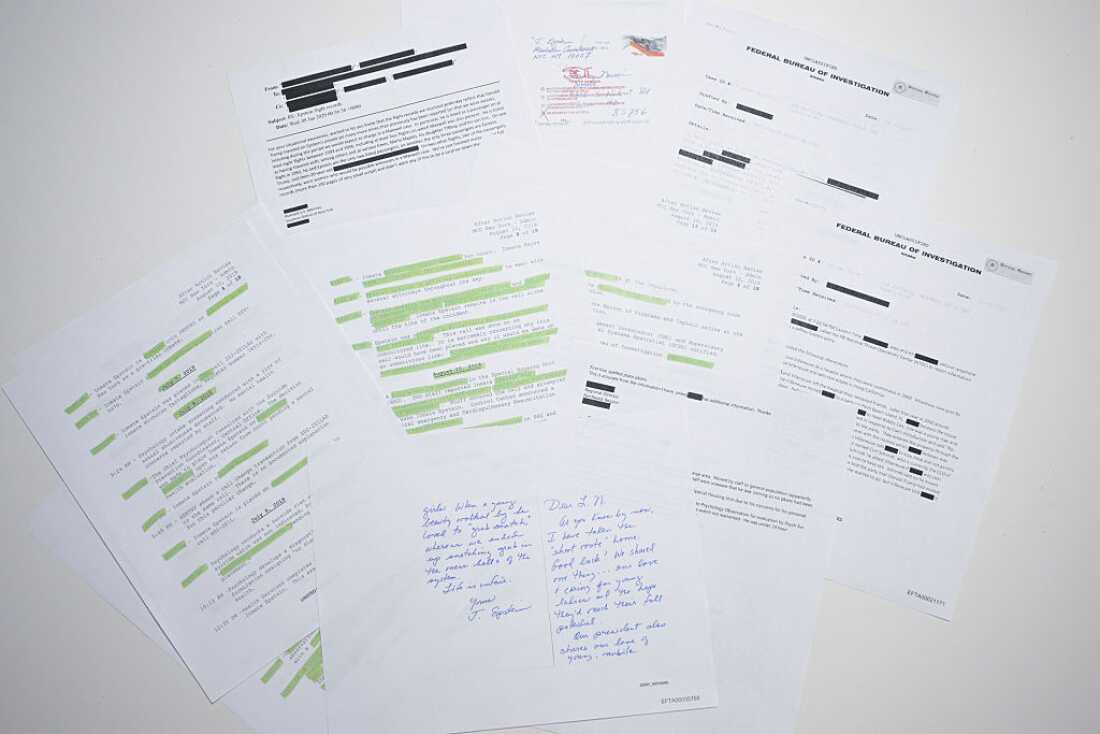
The same FBI document flags billionaire Leon Black among “prominent names,” with allegations that Epstein sent a woman to massage him while he was unclothed, and another claim that a different female was made to perform oral sex on him during such a session. Although the Manhattan DA looked into complaints against Black, no criminal charges followed in relation to Epstein. Civil suits against him have either been tossed out or dropped. Black’s legal team pointed to an independent probe by the Dechert firm, which sifted through tens of thousands of records and spoke to numerous people, concluding his payments to Epstein were solely for financial advice with no knowledge of illicit behavior.
Diving into older incidents, artist Maria Farmer, who was employed by Epstein in the mid-1990s, told the FBI in 1996 about her sister Annie’s mistreatment by Epstein and Maxwell, including the theft of nude photographs of her siblings, which she suspected were sold off. Other files suggest Epstein and associates circulated images of child sexual abuse, with a 2023 letter from an Epstein estate lawyer alerting the FBI to possible videos of topless females shared by a known offender. A congressional email release from November 12 shows Epstein and a contact chatting about “girls” and trips, naming Jean-Luc Brunel, the modeling scout arrested in 2020 for various sex crimes who later died in custody, believed to have supplied teens to Epstein.
Virginia Giuffre, a key accuser who took her own life earlier this year, claimed in lawsuits that Epstein and Maxwell pimped her out to influential men, including introducing her to Prince Andrew in 2001 and compelling her to have sex with him, allegations the prince has always refuted. A 2021 correspondence from lawyers for two victims confirmed their clients were trafficked to additional men.
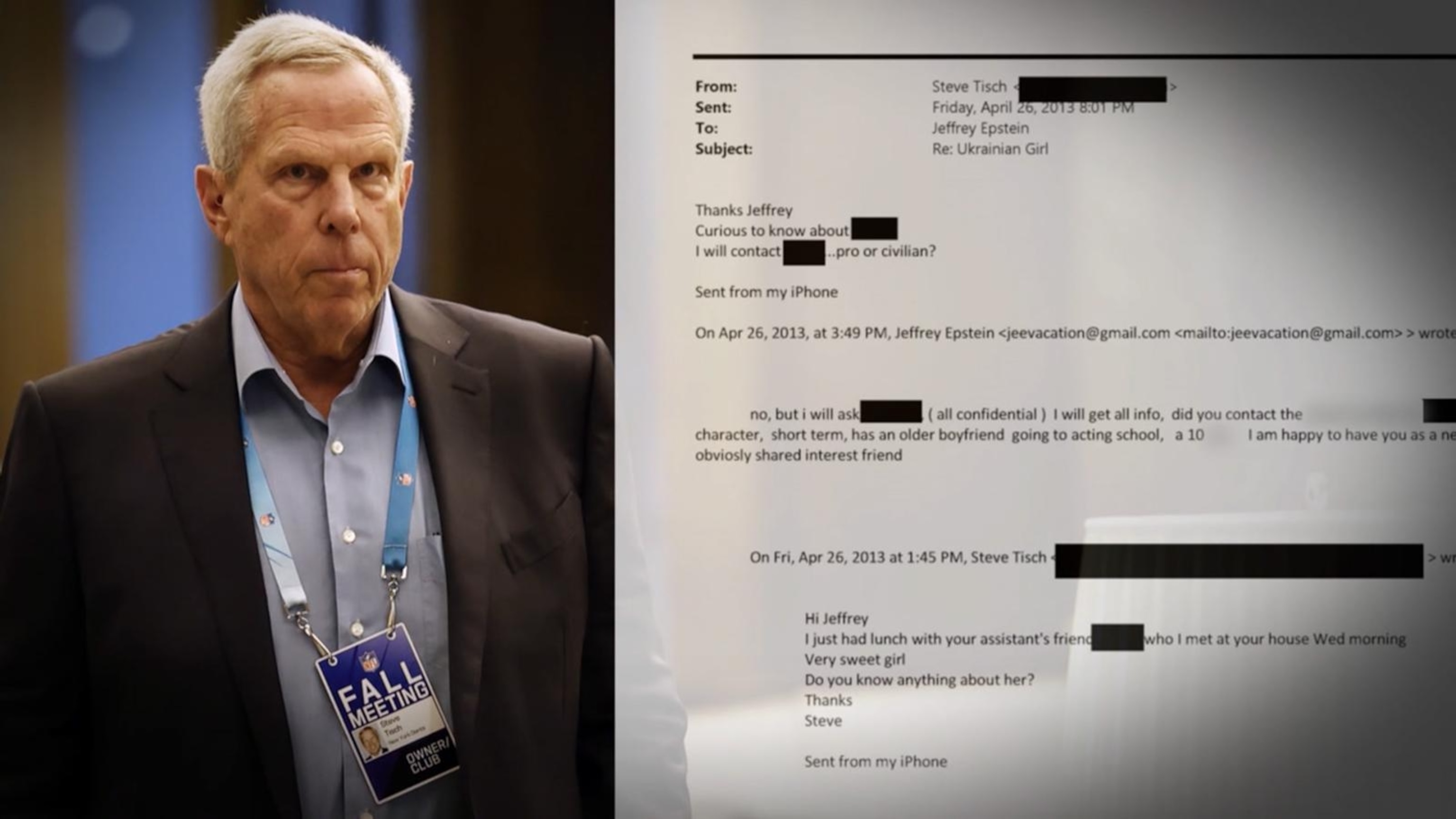
The documents also expose how officials minimized third-party roles, with an FBI slide debunking “misconceptions” by stating Epstein didn’t routinely sell his victims for profit. A 2019 case summary mentioned a victim’s report of being loaned out but dismissed it as outlier compared to others who didn’t describe similar experiences, citing the Weinstein episode as the nearest parallel.
Lawyers for survivors maintain that facilitating access to girls was central to Epstein and Maxwell’s scheme, creating leverage over those men. Sigrid McCawley, advocating for victims, highlighted this as a core tactic for influence. Jennifer Freeman, representing Maria Farmer, voiced frustration over unanswered queries about missing records and why perpetrators’ identities remain shielded while victims’ are exposed. Spencer Kuvin, another attorney, corroborated that testimonies prove Epstein offered girls to celebrities in exchange for favors, and these files validate long-standing survivor accounts, explaining the absence of a formal “client list” as a reason for no further prosecutions.
This release stirs fresh scrutiny over why authorities claimed insufficient evidence to chase down accomplices, fueling calls for greater openness from those affected.
Quick Summary
The Justice Department’s release of over 3 million Epstein files exposes allegations of trafficking victims to figures like Harvey Weinstein and Leon Black, contradicting claims of no evidence for third-party investigations. Documents include victim accounts, FBI notes, and denials from accused parties, prompting victims’ lawyers to demand more transparency amid ongoing questions about the scandal’s full scope.
